
Content-Kleptomaniacs
stealing like an artist

A few weeks ago, I went for barbecue with a few Twitter friends you may know — Justin Fineberg, Ian Woodfill, and Emory Seidell. The BBQ was good, the conversation better.
We had a debate whether people copy what they see off the internet. Ian was against this idea, saying we’re not “copy-paste machines”. Emory argued that we are much more like “remix machines”, ingesting content and putting our own spin on it.
In creative work, remixing is absolutely necessary. There is no way to create completely original content. Everything is inspired by someone else’s work. When I understood this, it felt like a massive weight was taken off my shoulders.
My most popular essay Fuck You Time is a remix of two essays: Jack Raines’ essay Fuck You Money and Antonio García Martínez’s essay Startup Founders, and Fuck You Money. This very essay is a remix of a tweet I wrote after my barbecue-infused conversation.
Unlike a PhD student who must discover something new to be rewarded with their doctorate, writers and content creators can remix old ideas into new works. In the words of Austin Kleon, you must steal like an artist.
“It ain’t stealing if you put a spin on it.”
— Steven Pressfield, Nobody Wants to Read Your Shit
If you’re going to steal content, then do it with some goddamn grace and creativity. Think of yourself not as a thief, but more of a craftsman buying old furniture to repurpose it with his own unique spin.
Being inspired by someone else’s content is permissionless. You see their content, you make a cool project. Content-kleptos don’t ask for permission. They just go for it.
Good content-kleptos are like thieves in Ocean’s 11, White Collar, or Lupin. They do it with class. They don’t plagiarize. The thievery itself is art. They make work their own.
Here are five Content-Kleptomaniacs I respect.
1. Reclists
Remember Justin Fineberg and Ian Woodfill? They run a startup called Reclists where they send out recommendations from thought leaders like Balaji Srinivasan, Paul Graham, and more.
This is a really cool example of a permissionless startup. They didn’t have to ask permission from these thought leaders. They just go through their Twitter likes to see what articles they’ve been reading.
2. Visualize Value & Archivve
Many of Jack Butcher’s designs for Visualize Value are inspired by quotes from famous smart people. Totally permissionless.
Jack now sells a course called Permissionless Apprentice where he goes over the ideas that helped him build Visualize Value into a multi-million dollar brand.
He even got his own permissionless apprentice when a guy named Pierce Kearns surprised Jack with Archivve, an organized archive of Visualize Value designs. Jack gave him a shoutout and integrated the archive to his Visualize Value website.
3. WARHODL
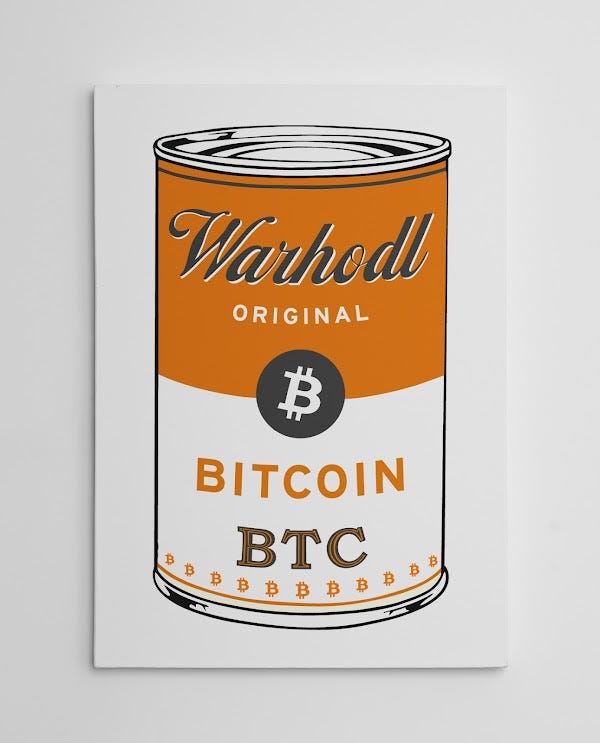
In the NFT space, Taylor Good is known as WARHODL, a playful joke on Andy Warhol and the HODL meme in crypto.
On my podcast, WARHODL explained that he had been painting his whole life, but knew that if he wanted to make a name in NFTs, he needed a cool brand.
He started designing Warhol’s iconic Campbell Soup cans with crypto logos and names instead. He’s done over 272 ETH in NFT trading volume and has been commissioned to paint his soup cans all over the world.
4. Alex Llull
Alex is a prime example of shameless content thievery. In fact, he writes a newsletter called The Steal Club where he dissects popular accounts on Twitter and how to mimic their content.


5. Ryan Holiday & The Daily Stoic
Before Ryan Holiday was famous, he was an apprentice to Robert Greene, the author of 48 Laws of Power, a book full of stories from history to illustrate power laws.
Holiday would end up stealing Greene’s approach, building a multimillion-dollar brand called The Daily Stoic based on Stoic philosophers’ ideas from 2,000+ years ago.
Permissionless, victimless thievery. Beautiful.
Don’t worry so much about being original. Keep the ego in check — you’re not Einstein or Edison. Just keep building on existing frameworks and keep writing.